
How to Successfully Save Seeds for Your Garden Next Year

Saving seeds from your garden is a rewarding way to preserve your favorite plants, reduce costs, and create a sustainable gardening cycle. Instead of buying new seeds every season, you can harvest seeds from your own plants and use them to grow next year’s garden. This process not only saves money but also helps you select plants that thrive in your local environment. If you want to learn how to save seeds effectively, this guide will walk you through the essential steps and tips to ensure your seeds remain viable and healthy.
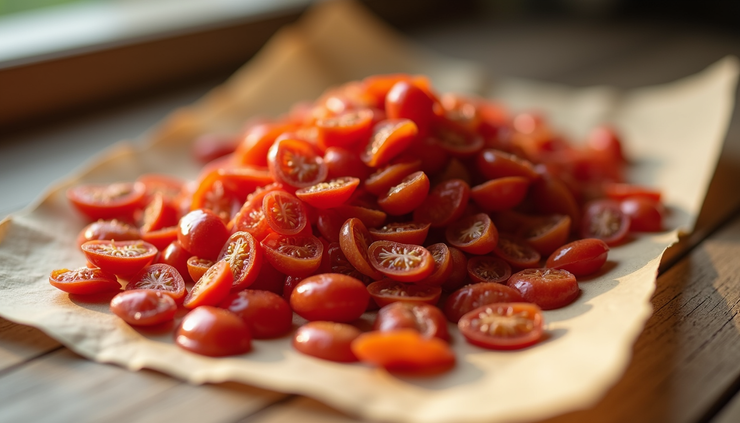
Why Save Seeds from Your Garden
Saving seeds allows gardeners to:
Preserve plant varieties that perform well in their specific climate and soil.
Maintain genetic diversity by selecting seeds from the healthiest plants.
Reduce gardening costs by reusing seeds instead of buying new ones.
Encourage sustainable gardening by minimizing waste and reliance on commercial seed suppliers.
By saving seeds, you become part of a long tradition of gardeners who pass down plant varieties from generation to generation.
Choosing the Right Plants for Seed Saving
Not all plants are equally easy or worthwhile to save seeds from. Here are some guidelines:
Open-pollinated or heirloom varieties are best because their seeds will produce plants true to the parent.
Avoid hybrid plants if you want consistent results, as their seeds often produce unpredictable offspring.
Select healthy, disease-free plants with desirable traits such as size, flavor, or color.
Focus on plants that produce seeds easily, like beans, peas, tomatoes, peppers, lettuce, and herbs.
For example, saving seeds from a tomato plant that produced large, flavorful fruits will likely give you similar tomatoes next year.
When to Harvest Seeds
Timing is crucial for seed viability. Seeds must be fully mature before harvesting. Here’s how to tell:
Fruits and pods should be fully ripe or dry on the plant.
For beans and peas, wait until pods turn brown and dry.
For tomatoes and peppers, harvest seeds from fully ripe fruits.
For flowers like marigolds or zinnias, collect seeds after the flower heads dry and turn brown.
If you harvest seeds too early, they may not germinate well. If you wait too long, seeds might fall off or be eaten by birds.
How to Collect Seeds
The method of seed collection varies by plant type:
Dry seeds (beans, peas, lettuce): Pull pods or seed heads from the plant and let them dry completely in a warm, dry place.
Wet seeds (tomatoes, cucumbers, peppers): Scoop seeds from ripe fruits and separate them from the pulp.
Wind-dispersed seeds (lettuce, cosmos): Collect seeds after they dry and fluff up.
For wet seeds, fermentation can help remove the gel coating that inhibits germination. Place seeds and pulp in a jar, cover loosely, and let ferment for 2-4 days. Then rinse and dry seeds thoroughly.
Cleaning and Drying Seeds
Proper cleaning and drying are essential to prevent mold and ensure seeds store well:
Remove all pulp, chaff, and debris.
Spread seeds in a single layer on paper towels, coffee filters, or mesh screens.
Dry seeds in a cool, dry, and well-ventilated area away from direct sunlight.
Stir or turn seeds daily to promote even drying.
Seeds are ready when they snap or break easily rather than bend.
Avoid drying seeds in humid or warm places, which can cause mold or premature sprouting.
Storing Seeds for Next Year
Once seeds are dry, store them carefully to maintain viability:
Use airtight containers such as glass jars, envelopes, or plastic containers.
Label containers with the plant name and date of collection.
Store seeds in a cool, dark, and dry place. A refrigerator or a cool basement works well.
Avoid exposure to moisture, heat, and light.
Most seeds remain viable for 1 to 5 years, depending on the species. For example, tomato seeds can last up to 4 years, while lettuce seeds may only last 2 years.
Testing Seed Viability Before Planting
Before planting saved seeds, test their germination rate to avoid disappointment:
Place 10 seeds on a damp paper towel.
Fold the towel and place it in a plastic bag or container to retain moisture.
Keep it in a warm spot and check daily.
Count how many seeds sprout within 7 to 14 days.
If fewer than 70% germinate, consider buying fresh seeds or planting more seeds to compensate.
This simple test helps you plan your garden better.
Tips for Successful Seed Saving
Keep seeds from different varieties separate to avoid mixing.
Rotate seed sources to maintain genetic diversity.
Avoid saving seeds from plants that show disease or poor growth.
Record notes about each seed batch to track performance over time.
Practice patience; seed saving improves with experience.
Common Mistakes to Avoid
Harvesting seeds too early or too late.
Storing seeds in damp or warm places.
Mixing seeds from different varieties.
Saving seeds from hybrid plants expecting true-to-type offspring.
Neglecting to clean and dry seeds properly.
Avoiding these mistakes will increase your success rate.


Thanks for the reminder that an Herb's potency is greatest right before blooming!!