
How to Protect Trees, Plants, and Lawns During Extreme Heat

Updated: 4 days ago
Extreme heat can turn a healthy yard into a stressed one in just a few days. Leaves curl. Grass goes gray-green or crunchy. New plants wilt even when the soil looks damp. The problem is not just heat in the air, it is heat in the soil, fast evaporation, and plants losing water faster than their roots can replace it.
The good news is that most yards do not need dramatic rescue work during a heat wave. They need steady care, smart timing, and a few long-term changes that make the landscape less thirsty next summer.

Water deeply and at the right time
During extreme heat, shallow watering does very little. A quick sprinkle wets the top of the soil, then the sun quickly pulls that moisture away. Deep watering sends moisture lower, where roots can actually use it.
For most trees, shrubs, and garden beds, slow watering is better than fast watering. A soaker hose, drip irrigation, or a hose set to a gentle trickle gives water time to soak in instead of running down the driveway or sidewalk.
The best time to water is early morning. The soil is cooler, wind is usually lighter, and plants have water available before the hottest part of the day. Evening watering can work when morning is not possible, but try not to leave foliage wet overnight, especially on plants that are prone to fungal problems.
A few practical watering habits help during long hot spells:
Check the soil before watering
Push a finger or small trowel a few inches into the ground. If it is dry below the surface, water deeply.
Water the root zone
Aim for the soil under the branches and around the base of plants, not the leaves.
Use a slow soak
If water starts running off, pause and let it sink in, then water again.
Follow local rules
Many cities and water districts limit outdoor watering during drought or peak summer demand.
Lawns often show drought stress before trees and shrubs do. Grass may fold, dull in color, or hold footprints after being walked on. That does not always mean the lawn is dead. Many warm-season grasses can go partly dormant during hot, dry periods and recover when conditions improve.
If you choose to keep the lawn green, water less often but more deeply. Frequent light watering encourages shallow roots, which makes the lawn even more vulnerable to heat.
Give trees special attention
Trees are the most valuable plants in many yards, and they are also the hardest to replace. A heat-stressed annual flower can be replanted next season. A mature shade tree may take decades to replace.
During extreme heat, trees benefit from deep watering around the outer edge of the canopy, not just near the trunk. This area is often called the drip line, and many feeder roots grow there. Water slowly so the moisture has time to move into the soil.
Young trees need extra care because their root systems are still limited. Water them routinely during hot, dry weather, even if they were planted earlier in the year and looked fine in spring. A newly planted tree can struggle once summer heat arrives because its roots have not yet spread into the surrounding soil.
Mulch also matters around trees. A wide ring of mulch helps hold moisture and keeps lawn equipment away from the bark. Keep mulch a few inches away from the trunk so it does not trap moisture against the bark. Avoid piling mulch into a “volcano” shape, which can damage trees over time.
A simple tree care rule during summer heat: protect the roots first. Cool, moist soil does more good than spraying leaves or pruning branches.
Use mulch to cool the soil and hold water
Mulch is one of the easiest ways to protect a landscape during hot weather. Bare soil heats quickly, dries quickly, and can form a hard crust that sheds water instead of absorbing it. Mulch acts like insulation.
A 2 to 3 inch layer of organic mulch can help garden beds, shrubs, and trees by:
Slowing evaporation from the soil
Keeping soil temperatures steadier
Reducing weed growth
Protecting shallow roots from heat
Improving the soil as it breaks down
Good mulch options include shredded bark, pine straw, wood chips, composted leaves, and similar organic materials. In vegetable gardens, straw or shredded leaves can work well around plants.
Be careful with thick mulch piled directly against stems, crowns, or trunks. Plants still need air at the base. Leave a little breathing room around each plant.
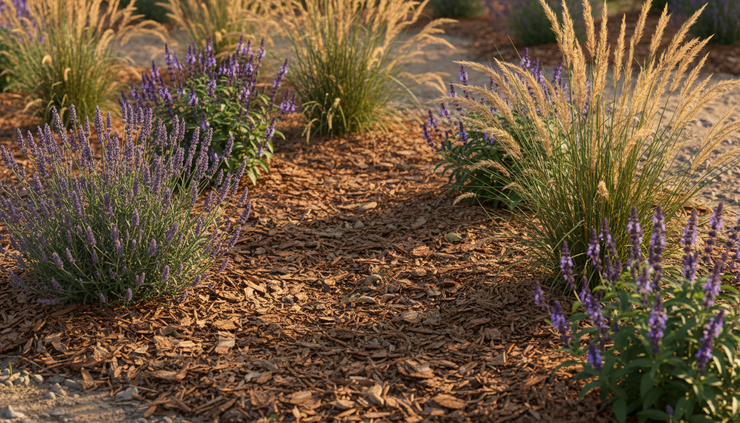
Mulch does not replace watering, but it makes watering work better. In extreme heat, that can be the difference between a plant that survives and one that slowly declines.
Do not install new lawns trees or plants during extreme heat
Planting during the hottest part of summer puts new plants under immediate stress. Even with careful watering, roots may struggle to grow into hot, dry soil. Leaves lose moisture quickly, and the plant has little time to adjust.
If possible, delay major planting projects until temperatures are milder. For many parts of the United States, fall is one of the best times to plant trees, shrubs, and perennials because the soil is still warm but the air is cooler. Spring can also work well, as long as plants have time to establish before the worst heat arrives.
The same idea applies to new lawns. Seeding or sodding during extreme heat often takes more water, more attention, and more risk. New sod has shallow roots at first and can dry out quickly. Grass seed may fail if the surface dries before it germinates.
During a heat wave, focus on protecting what is already growing. Save big changes for better planting weather.
If a plant must go in during summer, such as a replacement tree required by regulation or a plant that cannot wait, take extra steps:
Plant in the coolest part of the day
Water the root ball thoroughly before planting
Mulch after planting
Provide temporary shade where practical
Check moisture often for the first several weeks
This is not a perfect setup, but it reduces stress when waiting is not an option.
Choose plants that can handle heat and drought
A water-wise yard starts with the right plants. Some plants need steady moisture to look good. Others can handle dry spells once established. In many regions, native plants often perform better in drought because they are adapted to local soils, rainfall patterns, and seasonal stress.
That does not mean every native plant is drought tolerant. A native plant from a wetland habitat will not love a dry, exposed slope. Match the plant to the site.
Look for plants that fit your conditions:
Hot, dry, sunny areas
Shaded dry areas
Low spots that stay damp
Slopes and exposed edges
Choose drought-tolerant perennials, ornamental grasses, ground covers, and shrubs that thrive in full sun.
Use shade-tolerant ground covers, mulch, and plants known to handle root competition.
Pick plants that can tolerate periodic wet soil rather than forcing desert plants into the wrong place.
Use deep-rooted plants, mulch, and erosion control to reduce water loss.
Drought-tolerant plants still need water while they establish. The goal is not to ignore them, it is to build a yard that needs less rescue watering after roots grow strong.
In the Deep South and other very hot regions, vegetable gardeners may get better results by shifting the main growing season. Many cool-season and warm-season crops produce well in spring and fall, while midsummer heat can slow growth, reduce fruit set, or increase pest pressure. Summer gardens can still work, but spring and fall often bring less stress for both the plants and the gardener.
Rethink how much lawn the yard really needs
Lawns are useful. They give children and pets a place to play, create open space, and can make a yard feel clean and simple. Still, grass often requires more water than many other parts of the landscape, especially in hot, dry periods.
Reducing lawn area does not mean giving up a good-looking yard. It can mean using grass where it serves a real purpose and replacing the rest with lower-care options.
Good lawn alternatives include:
Ground cover plants
These can soften open areas and reduce mowing.
Mulched planting beds
Beds around trees, fences, and foundations can reduce water demand and make maintenance easier.
Native plant gardens
Once established, many native plantings support pollinators and handle local conditions well.
Gravel, stone, or pavers
Hardscape can work for paths, seating areas, and places where grass struggles.
Larger tree rings
Expanding mulch rings under trees reduces competition between grass and tree roots.

Less lawn can also reduce mowing during heat waves. Mowing stressed grass too short makes it more vulnerable. If you do mow during hot weather, raise the mower height and avoid cutting during the hottest part of the day. Taller grass shades the soil and helps roots stay cooler.
Collect rainwater when it is available
Rain barrels can help bridge dry periods by storing water from roof runoff. When rain finally comes, a barrel connected to a downspout can collect water for gardens, containers, or newly planted areas.
Rain barrels work best as part of a broader plan. They will not supply an entire lawn during a long drought, but they can support flower beds, vegetable gardens, and patio containers. Use a covered barrel with a screen to keep out leaves and mosquitoes, and place it on a stable base.
Before installing one, check local rules. Most areas allow rain barrels, but some places have guidelines about placement, overflow, or water use.
A few tips make rain barrels more useful:
Put the barrel near the plants that need the water
Add an overflow hose to direct extra water away from the foundation
Keep the lid secure
Clean out debris as needed
Drain or winterize the barrel where freezing weather occurs
Captured rainwater is especially helpful during watering restrictions, when allowed by local rules. It gives gardeners another option without relying only on the hose.
Protect container plants from heat stress
Containers dry out faster than garden beds because soil volume is limited and pot sides heat up in the sun. A plant in a black nursery pot on a patio can overheat quickly during a heat wave.
Move containers where they get morning sun and afternoon shade if possible. Group pots together so they shade each other and lose moisture more slowly. Use saucers carefully, since some plants dislike sitting in water, but do not let containers dry to the point that water runs straight through without soaking in.
Large containers handle heat better than small ones. They hold more soil, which means roots have more moisture and more insulation. A layer of mulch on top of the potting mix also helps.
Know the signs of serious plant stress
Some temporary wilting is normal in extreme heat, especially in the afternoon. Plants may perk up again in the evening. That is different from lasting damage.
Watch for these warning signs:
Leaves that stay wilted overnight
Brown leaf edges or scorched patches
Early leaf drop
Cracked, dry soil pulling away from plant roots
Branch dieback
Grass that turns brittle and does not recover after watering
Do not respond to every brown leaf with fertilizer. Fertilizer pushes new growth, and new growth needs water. During extreme heat, the goal is survival and root support. Wait until weather improves before feeding most stressed plants.
Pruning also needs care. Removing dead, broken, or diseased material is fine. Heavy pruning during heat can expose bark and inner growth to sunscald and stress the plant further.

Build a yard that is ready for the next heat wave
Extreme heat is easier to manage when the yard has already been prepared. Routine watering, mulch, and plant selection work together. So do shade, less lawn, and better soil coverage.
A practical heat plan can be simple:
Water deeply in the morning during dry spells
Mulch trees, shrubs, and beds before peak summer heat
Delay major planting until cooler weather
Choose drought-tolerant and native plants suited to the site
Reduce lawn where grass is not needed
Use rain barrels where they make sense
Shift vegetable gardening seasons in very hot regions
Watch plants closely and respond before stress becomes severe
The main goal is steady care, not panic care. A well-mulched tree, a deeply watered shrub, and a lawn allowed to rest through heat will usually fare better than plants pushed to look perfect every day of summer.
Protect the most valuable plants first, especially mature trees and established shrubs. Then plan small changes that reduce water demand over time. One converted lawn edge, one new mulch bed, or one rain barrel can make the next stretch of extreme heat easier on the whole yard.


Comments